September 17, 2026
Navigating the modern automotive landscape requires an appreciation for the vast network of emergency roadside assistance that keeps transportation networks moving smoothly. Vehicle breakdowns, sudden mechanical failures, and unexpected highway collisions occur daily, creating a persistent demand for professional recovery solutions. Operating a tow truck requires specialized knowledge, proper training, and mechanical precision to ensure that stranded motorists and disabled vehicles are handled safely. Many drivers view roadside recovery as a simple service, yet the sector involves intricate logistics, sophisticated machinery, and strict adherence to safety standards. Exploring how the assistance sector functions gives motorists valuable insight into what happens during a roadside emergency, helping vehicle owners make informed decisions when unexpected trouble arises on the highway.
Behind every successful recovery operation lies a complex infrastructure designed to manage traffic flow and enhance highway safety. Specialized operators work around the clock, responding to diverse situations ranging from light passenger vehicle transports to heavy commercial equipment relocations. The evolution of vehicle designs, including electric models and delicate electronic drive systems, has further transformed how emergency assistance is delivered. Gaining a thorough understanding of this essential sector reveals the technical expertise required to maintain safety across urban streets and expansive interstates alike.
1. Recognizing the Specialized Fleet Equipment
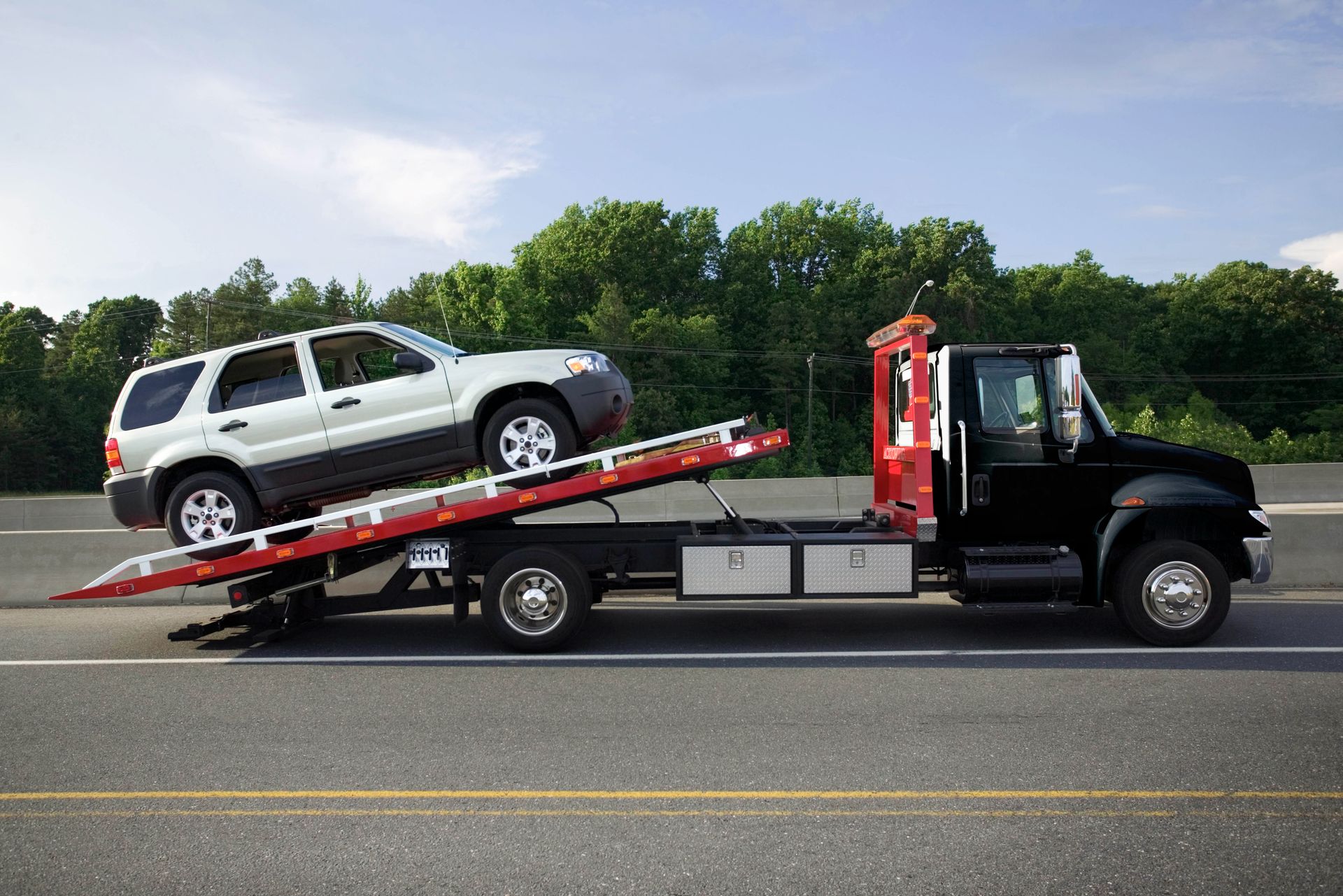
The machinery utilized in modern roadside assistance is diverse, designed to address specific transport challenges and vehicle types. A standard flatbed tow truck features a hydraulically tilting bed that lowers to the ground, allowing vehicles to be driven or winched onto the platform with minimal stress on the chassis. This approach is particularly advantageous for all-wheel-drive vehicles, sports cars with low ground clearance, and damaged automobiles that cannot roll safely on their own wheels. Elevating the entire vehicle off the pavement prevents additional drivetrain wear and eliminates potential damage to steering components during transit.
In contrast to flatbed models, wheel-lift apparatuses utilize a metal yoke that secures under the tires of a vehicle. Hydraulic hoists elevate one end of the automobile off the ground while the remaining wheels roll along the road surface. This design offers exceptional maneuverability in tight urban environments, multi-level parking structures, and congested city streets where larger rigs might struggle to position themselves. Additionally, integrated heavy-duty rigs are built specifically for commercial transport, featuring boom arms and multi-stage winches capable of uprighting overturned commercial rigs or extracting heavy machinery from challenging off-road locations.
2. Understanding the Essential Safety Protocols
Safety serves as the foundational pillar of all highway recovery operations, protecting both field technicians and the passing public. Working alongside high-speed traffic poses inherent risks, necessitating rigorous procedures and specialized protective gear. Field technicians undergo extensive training covering hazard identification, traffic control management, and secure rigging techniques. High-visibility protective apparel, strategic placement of warning flares, and bright beacon light bars are standard requirements designed to alert approaching motorists long before they reach an active work site. Every modern tow truck comes equipped with specialized lighting arrays that maximize visibility during night operations and inclement weather conditions.
Beyond personal protective gear, securing a vehicle demands strict adherence to engineering standards. Operators utilize heavy-duty grade chains, synthetic web straps, and precision tensioning ratchets to lock the cargo firmly onto the transport deck. Weight distribution calculations are performed to prevent sway and maintain vehicle stability during transport. Extra precautions are taken during severe weather conditions, such as heavy rain, snow, or ice, where reduced traction complicates loading operations. Proper securement ensures that cargo remains entirely stable throughout the entire journey.
3. Evaluating the Diverse Service Options
Modern roadside support extends far beyond simply transporting disabled vehicles from one location to another. According to Look Up a Plate, the valuation of the towing sector in the United States reached an estimated $10.3 billion in 2025, a projected growth rate of 4.1%. This substantial market size reflects the broad range of critical services offered to stranded motorists across the country every day. Beyond standard long-distance transport, professional providers deliver essential emergency assistance designed to solve immediate travel disruptions on the spot. A modern tow truck unit functions as a mobile workshop equipped to handle various roadside issues.
Common auxiliary services include battery jump-starts, tire replacement assistance, fuel delivery, and lockout services. When a vehicle battery dies unexpectedly, mobile service units can deliver a quick boost or install a replacement unit right at the curb. Similarly, when a driver suffers a flat tire along a busy thoroughfare, experienced technicians can swiftly replace the damaged tire with the vehicle spare tire, minimizing exposure to highway traffic. Emergency fuel delivery provides a vital lifeline for motorists who run out of gas between distant highway exits.
4. Analyzing the Expanding Industry Landscape
The roadside assistance sector is undergoing significant transformation driven by rapid technological advancement and changing consumer expectations. Advanced telematics, positioning systems, and automated dispatch software have revolutionized how service requests are processed and managed. Digital platforms allow dispatchers to pinpoint exact vehicle locations, route response units efficiently, and provide updates to waiting motorists. This digital evolution significantly reduces response times and enhances overall service delivery across vast geographic service territories. Deploying a heavy-duty tow truck requires seamless digital coordination between dispatch centers and field operators.
Electric vehicle adoption also presents unique operational considerations for recovery professionals. Electric automobiles feature high-voltage battery systems, specialized lifting points, and unique towing limitations that differ significantly from traditional internal combustion engines. Transporting an electric vehicle often requires flatbed transport exclusively to prevent regenerative braking systems from generating unexpected electrical currents while rolling. As electric models become more common on public roads, service providers invest heavily in specialized training and equipment tailored to these advanced mobility technologies.
5. Identifying the Optimal Assistance Partner
Selecting a reliable roadside service provider is an essential step for any vehicle owner looking to maintain peace of mind on the road. When evaluating service providers, experience and specialized capabilities should rank as top priorities. A reputable company maintains a well-serviced fleet capable of handling diverse transport needs, from standard sedans to heavy machinery. Furthermore, verifying that a company employs certified technicians ensures that your vehicle will be handled by trained professionals who follow industry best practices. Knowing when to dispatch a light flatbed versus a heavy tow truck is a key mark of professional expertise.
Prompt communication and transparency are additional hallmarks of a superior assistance partner. A professional company provides clear updates regarding arrival times, procedures, and transport steps. Modern service providers often offer direct tracking capabilities, allowing stranded drivers to monitor the approach of their support unit in real time, helping relieve stress during high-pressure roadside situations. Establishing a connection with a responsive partner guarantees quick assistance whenever unexpected issues happen.
Navigating vehicle troubles on the open road becomes significantly easier when you understand the systems and standards that drive the recovery industry. Professional operators work diligently behind the scenes, using state-of-the-art machinery and rigorous safety protocols to keep traffic moving and motorists protected. Whether facing a minor battery disruption, a flat tire, or a major mechanical failure, having access to skilled assistance ensures a quick return to your travel plans.
If you are ready for dependable roadside tow truck support, contact us at Dan's Towing & Recovery Ltd today. We will help you navigate any vehicle disruption with professional care and efficiency.