May 12, 2026
Sticking to the side of a busy highway or sitting in a quiet parking lot with a car that will not start is a stressful experience for any driver. The first question that usually comes to mind after realizing the vehicle is immobilized is how long the wait will be for professional assistance. While everyone hopes for an immediate arrival, the reality of the towing industry involves many moving parts that dictate the schedule of a technician. Understanding these variables can help motorists manage their expectations and stay safe while they wait for help to reach their specific location.
Modern dispatch technology has significantly improved the speed at which help arrives, but the clock still depends on physical factors like distance and demand. Many companies aim for a narrow window in ideal conditions, though this is never a guarantee. According to Look Up a Plate, the market size for the US towing industry is estimated to be $10.3 billion in 2023, with a projected growth rate of 4.1%. This growth reflects an increasing number of vehicles on the road, which naturally leads to a higher volume of service requests across the country.
Analyzing Geographic Location
The physical spot where a vehicle breaks down is perhaps the most significant factor in determining the arrival time of a tow truck. Drivers in dense urban centers often benefit from having a tow truck nearby because many service providers station their fleets near major city hubs or high traffic intersections. In these populated areas, the distance between the dispatch office and the stranded motorist is usually shorter, allowing for a quicker turnaround from the moment the call is placed until the flashing lights appear in the rearview mirror.
Conversely, those traveling through rural or remote areas must prepare for a longer wait time due to the sheer mileage involved. A tow truck might need to travel from a shop located in a distant town, navigating secondary roads or long stretches of highway to reach a remote scene. Because there are fewer service providers per square mile in the countryside, the nearest available tow truck could be many miles away, making a rapid arrival physically impossible regardless of how quickly the dispatcher processes the request.
Monitoring Traffic Patterns
Even the most efficient driver cannot bypass the reality of heavy traffic or road construction during peak travel hours. During morning and evening commutes, the roads are packed with vehicles, which naturally slows down the travel speed for a tow truck heading toward an emergency. When accidents or stalls occur during rush hour, the very congestion that the service aims to clear often acts as a barrier that prevents the technician from reaching the site promptly.
Traffic conditions change by the minute, and unforeseen events like road closures or major accidents can create gridlock that affects response times across an entire region. Professional dispatchers use real-time navigation tools to find the fastest route, but some delays are unavoidable when the main arteries of a city are blocked. A tow truck operator must also prioritize safety while navigating through heavy traffic, meaning they cannot always weave through cars as quickly as a smaller emergency vehicle might.
Evaluating Weather Conditions
Atmospheric conditions play a massive role in how safely and quickly a tow truck can navigate the local roads to reach a customer. Heavy rain, thick fog, or accumulating snow drastically reduce visibility and road traction, forcing every driver on the road to slow down for safety. When the weather is particularly severe, the tow truck technician must exercise extreme caution to ensure they do not become involved in an accident themselves while trying to reach a stranded motorist.
Beyond just travel time, poor weather often leads to a sudden surge in the number of people requiring assistance. Icy patches or flooded streets cause multiple vehicles to slide off the road or stall at the same time, which stretches the resources of even the largest fleet. When every available tow truck is already busy assisting other drivers who were caught in the same storm, the wait times will naturally increase as the company works through a long queue of emergency calls.
Assessing Vehicle Requirements
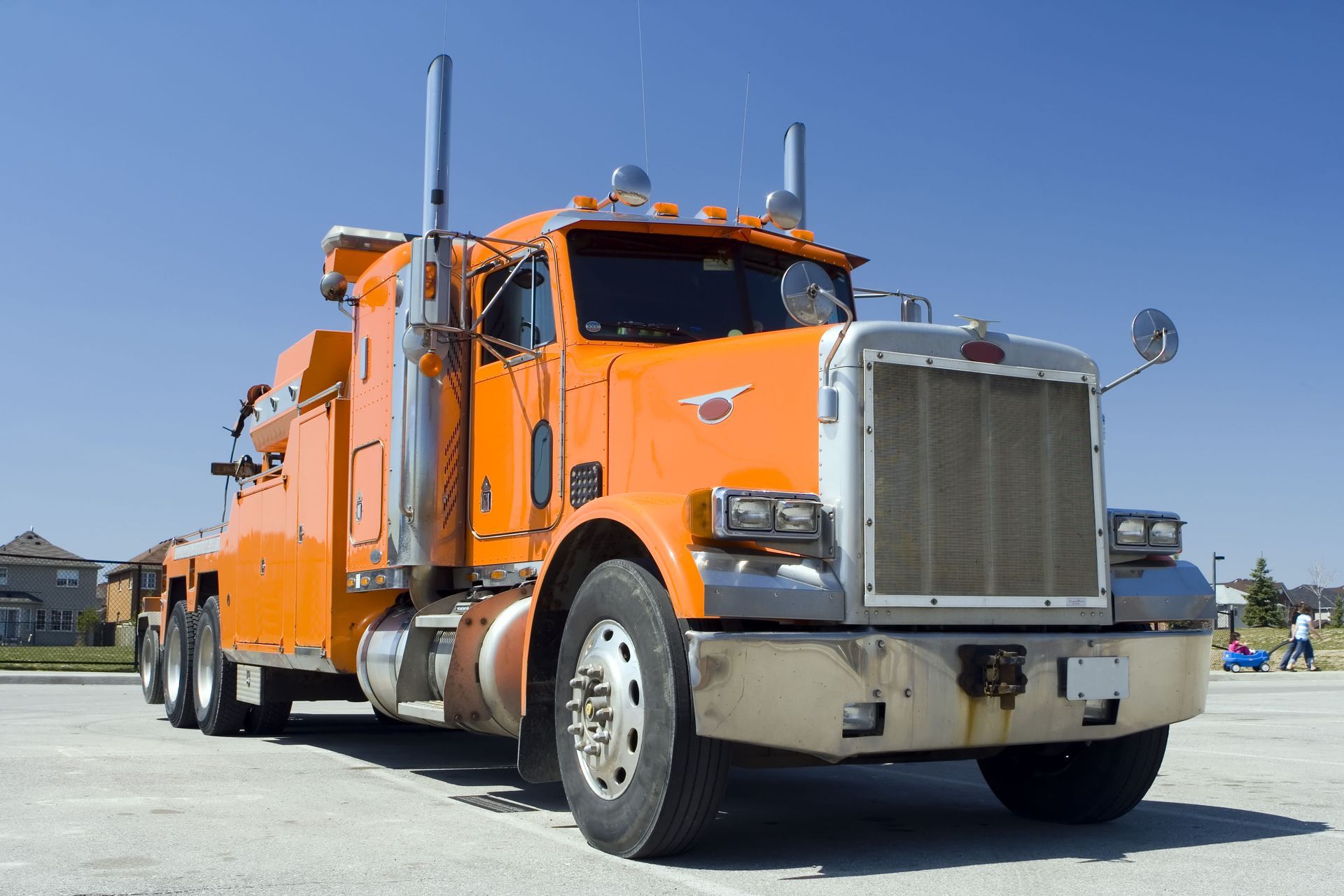
The specific nature of the breakdown and the type of vehicle involved will dictate which tow truck is sent to the scene. A standard passenger car might only require a basic light-duty flatbed, but a large delivery van or a heavy commercial vehicle requires specialized equipment and a different class of truck. If the nearest available unit is not equipped to handle the weight or the specific mechanical issues of the stranded vehicle, the dispatcher must wait for a specialized tow truck to become free.
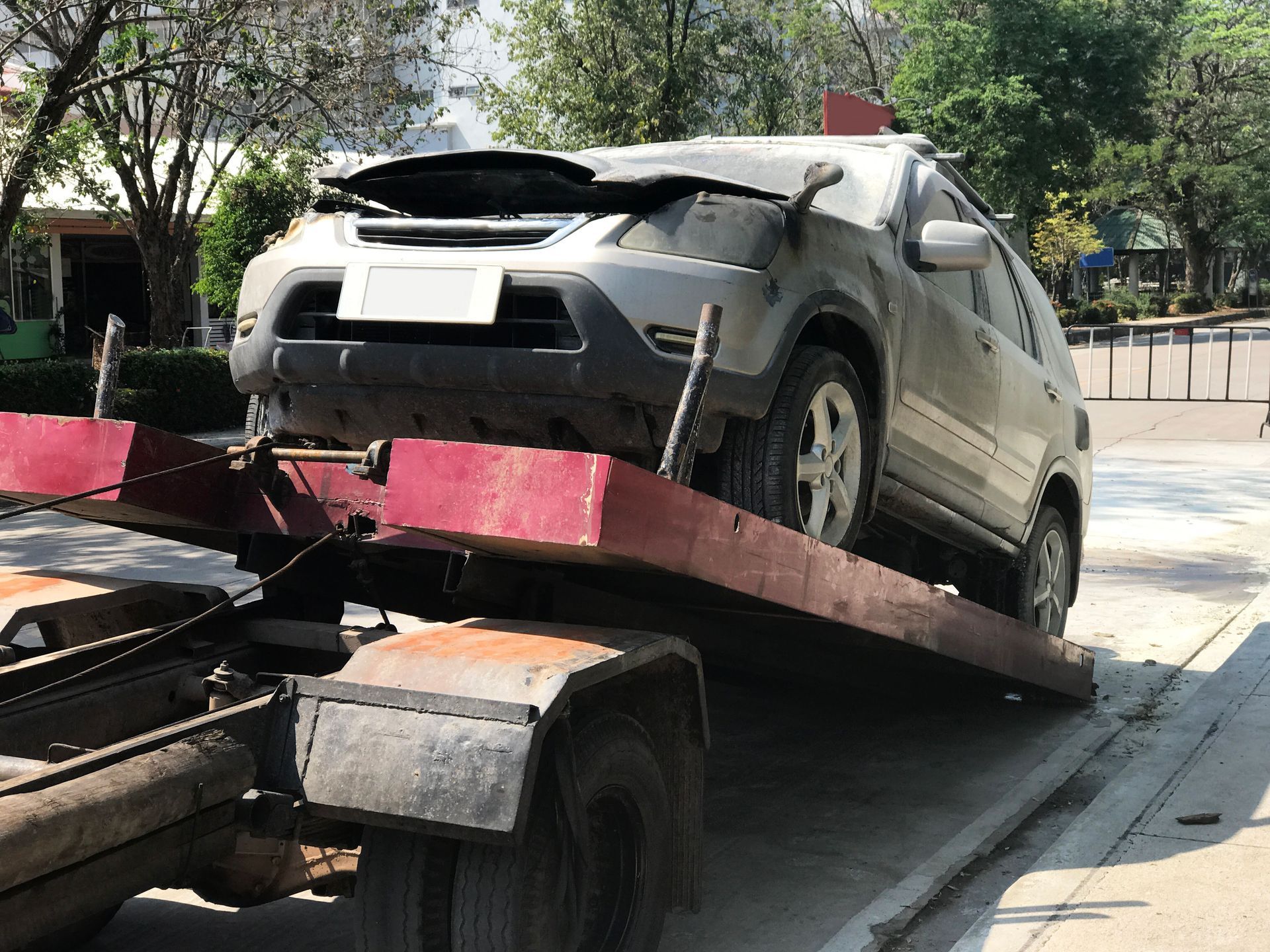
Complex recovery situations also take more time to address than a simple tow from a flat surface. If a vehicle has rolled over, is stuck deep in a ditch, or is located in a tight underground parking garage, the technician may need to bring additional tools or spend more time preparing the vehicle for transport. These complications mean that the tow truck might arrive at the scene but require extra time to safely secure the vehicle before the journey to a repair shop can actually begin.
Managing Service Demand
The time of day and the day of the week significantly influence the availability of a tow truck and the speed of the response. Weekend nights and holiday periods are historically busy times for recovery services because there are more people on the road and a higher likelihood of accidents or mechanical failures. During these peak windows, a company might have every single tow truck in its fleet occupied with ongoing jobs, leaving new callers at the end of a waiting list.
Standard business hours during the middle of the week often see more predictable response times, but any sudden spike in calls can change the situation instantly. Dispatchers must constantly triage requests, often prioritizing vehicles that are in dangerous positions, such as those stalled in the middle of a highway lane, over those in safe parking lots. This means that if you are in a safe location, you might wait slightly longer while a tow truck is diverted to a high-risk emergency nearby.
Understanding Dispatch Procedures
The internal workflow of a towing company is the final piece of the puzzle that determines how quickly help arrives at the door. Once a call is received, the dispatcher must collect all necessary information, verify the location, and identify the most suitable tow truck based on proximity and equipment. If the communication system is streamlined and the company uses modern tracking software, the time between the initial ring and the driver receiving the order is minimized to a very short duration.
However, if a caller is unable to provide an accurate location or specific details about the vehicle, the process can slow down significantly. Clear communication is essential for ensuring that the right tow truck is sent to the right place without any unnecessary detours. By providing landmarks or using a digital location sharing tool, a motorist can help the service provider shave valuable time off the total response time and ensure a smoother recovery process for everyone involved.
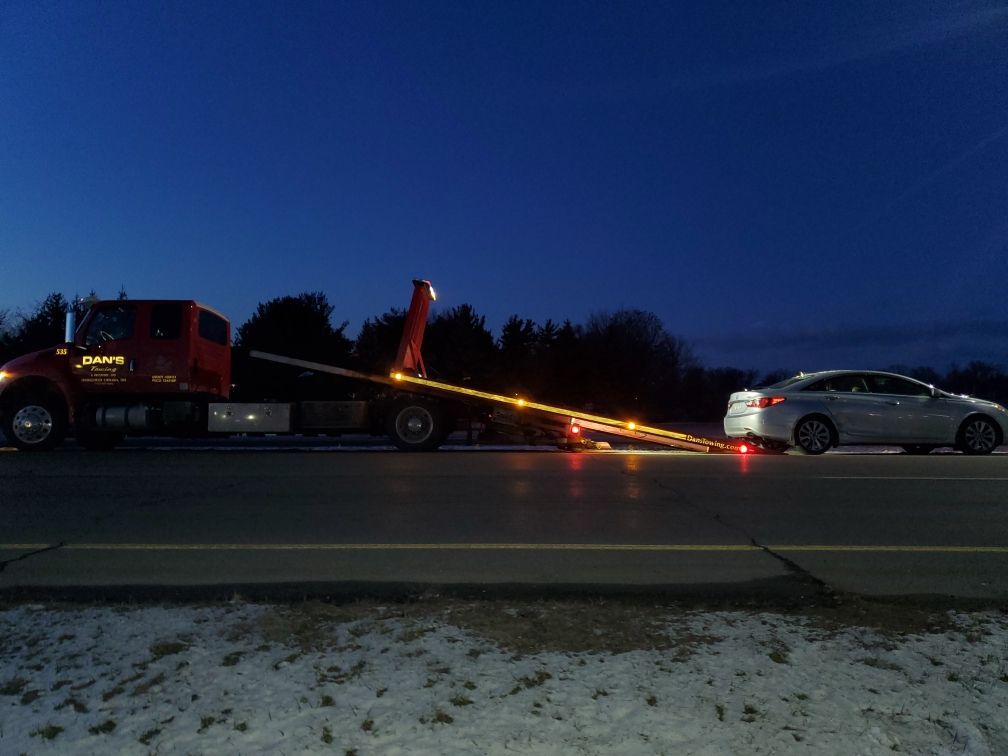
While the wait for help can feel like an eternity when you are stranded, numerous factors like traffic, weather, and equipment needs are constantly shifting. Towing professionals work hard to navigate these challenges to provide the fastest service possible under the circumstances. Most delays are the result of external conditions or a commitment to safety rather than a lack of urgency from the provider. By remaining patient and staying in a safe area, you allow the technician to do their job effectively. When you find yourself in need of a reliable tow truck and a professional team that understands the local roads, remember that help is only a phone call away. For dependable assistance and expert vehicle recovery, contact Dan's Towing & Recovery Ltd.