November 17, 2026
After an accident, arranging a reliable tow truck service is often one of the first priorities. The type of equipment used can significantly affect vehicle safety, transportation costs, and the overall recovery process. Choosing an appropriate towing method helps prevent additional damage while ensuring your vehicle reaches its destination securely. Understanding the available options allows drivers to make informed decisions during stressful situations.
The Importance of Choosing the Correct Tow Truck
Choosing the correct tow truck is essential for protecting a vehicle following an accident. Improper towing methods can worsen existing damage, resulting in expensive repairs. Different situations require specialized equipment based on vehicle weight, drivetrain configuration, and structural condition. A professional tow truck service evaluates these factors before determining the safest transportation method. Proper equipment selection also supports compliance with transportation safety requirements and reduces potential roadside hazards. According to Precision Reports, the global tow truck market is expected to reach $6,779.69 million in 2026, highlighting the substantial scale of the industry and the importance of selecting equipment suited to different vehicle recovery needs.
Using appropriate equipment minimizes unnecessary strain on the vehicle during loading and transportation. Incorrect lifting procedures can damage suspension components, axles, or undercarriage structures. Experienced operators assess visible damage and identify suitable attachment points before moving the vehicle. This careful evaluation becomes especially important when wheels are damaged or steering components no longer function correctly. Selecting compatible equipment helps preserve the vehicle's condition throughout recovery. Additionally, operators should inspect securing mechanisms and verify that the vehicle remains properly balanced before transportation begins.
How Vehicle Type and Accident Damage Affect Towing Decisions
Different vehicles require different handling techniques because their mechanical systems and dimensions vary. Compact cars, luxury vehicles, motorcycles, and commercial trucks may need specialized equipment. All-wheel-drive vehicles frequently benefit from flatbed transportation because keeping all wheels off the roadway helps protect drivetrain components. Low-clearance sports cars may require extended loading ramps to prevent scraping.
Accident severity also influences the appropriate recovery method. Vehicles with damaged wheels, leaking fluids, or compromised structural components may require additional stabilization. A qualified tow truck service considers these conditions before beginning recovery operations. Operators must also account for surrounding traffic, available loading space, and potential roadway hazards. Thorough preparation reduces complications and helps ensure a controlled transportation process. Understanding manufacturer recommendations can further improve equipment compatibility and prevent avoidable mechanical problems during vehicle recovery.
Financial Implications of Using the Wrong Tow Truck
Using inappropriate towing equipment can create unexpected expenses beyond the original accident damage. Incorrect lifting procedures may damage suspension systems, body panels, or transmission components. These additional repairs can increase overall recovery costs and extend the time a vehicle remains unavailable. Selecting qualified professionals and suitable equipment helps reduce preventable financial losses. Vehicle owners should also consider how transportation delays could affect rental car expenses and their ability to return to normal activities.
Insurance considerations also influence towing decisions. Coverage depends on individual policy terms, accident circumstances, and applicable requirements. Drivers should contact their insurer when practical to confirm reimbursement limits and documentation requirements. Before authorizing a tow truck service, requesting an explanation of hookup charges, mileage rates, storage fees, and additional expenses can prevent billing surprises. Keeping receipts and photographs provides useful documentation if questions arise during the claims process.
Understanding Different Types of Tow Trucks
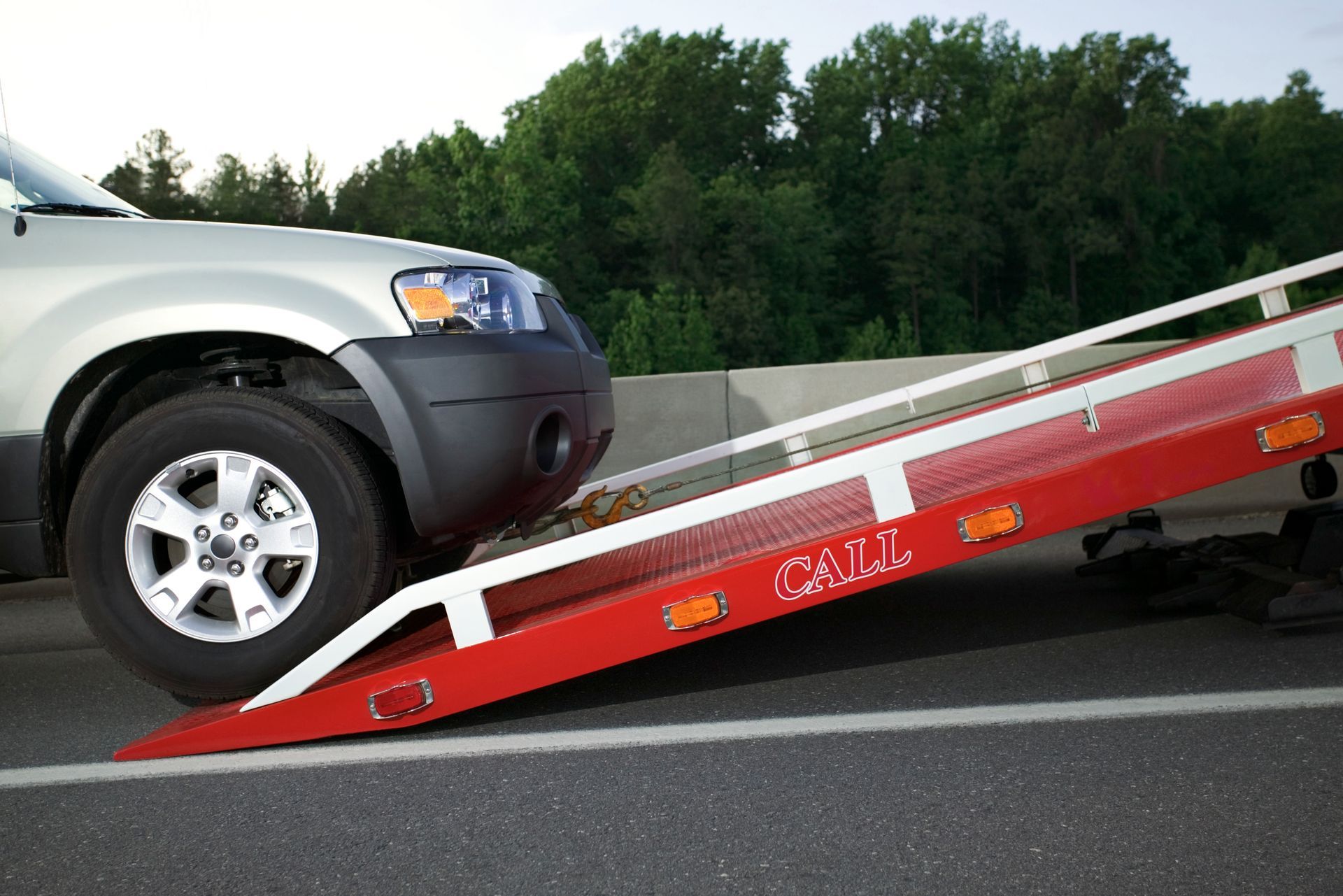
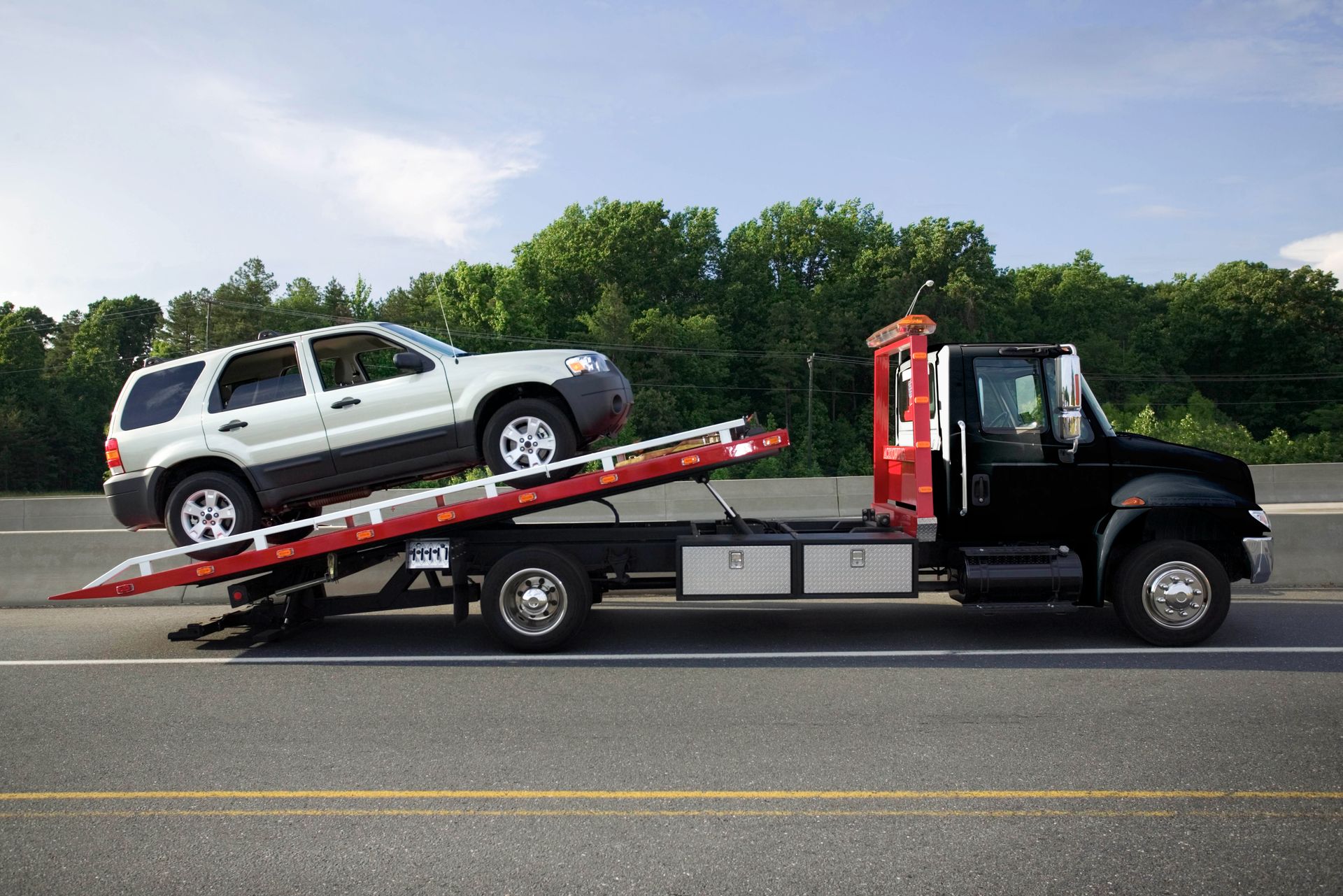
Flatbed trucks are commonly used for accident recovery because they carry vehicles entirely above the roadway. This arrangement limits tire contact with the road and helps protect damaged wheels and drivetrain components. Flatbeds are particularly beneficial for luxury cars, all-wheel-drive vehicles, and automobiles with significant mechanical damage. Proper loading procedures remain essential for preventing movement during transportation. Operators may also use specialized straps and wheel restraints to maintain stability throughout the journey.
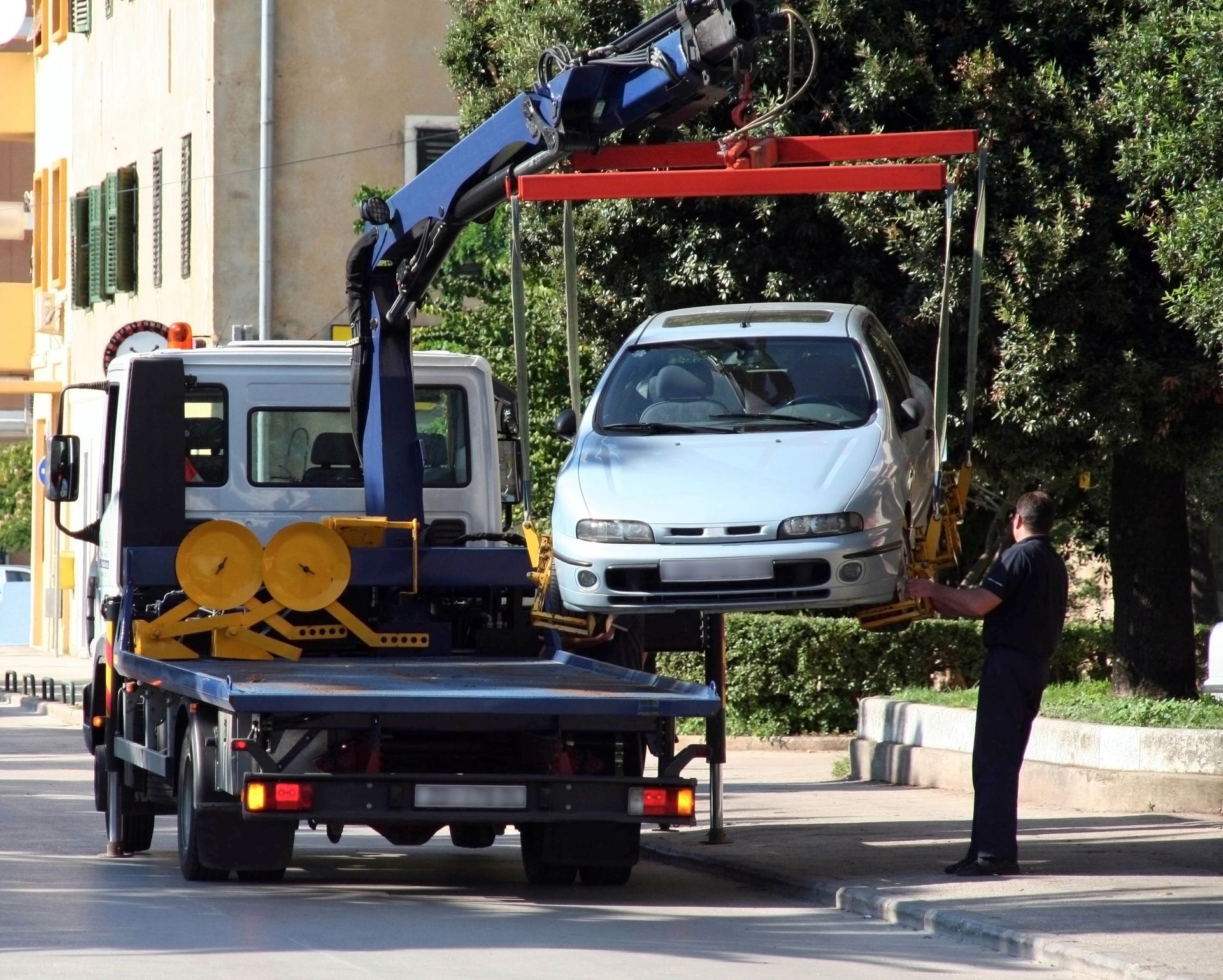
Wheel-lift trucks use hydraulic equipment to raise either the front or rear wheels while the remaining wheels stay on the road. They are maneuverable and often suitable for certain short-distance towing situations. However, vehicle manufacturer requirements and drivetrain configurations must be considered before using this method. Hook-and-chain trucks are generally reserved for heavily damaged vehicles or specialized recovery operations because their attachment methods can cause additional cosmetic or structural damage.
How to Select a Reliable Towing Provider
Choosing a dependable tow truck service involves evaluating experience, equipment availability, and customer feedback. Online reviews can provide insight into communication, professionalism, and billing practices. Drivers should also ask whether the company has equipment suitable for their particular vehicle. Experienced operators should explain their recommended transportation method and address concerns before beginning recovery. Verifying appropriate insurance coverage and professional qualifications can provide additional reassurance when selecting a company.
Availability and response times are additional considerations. Accidents can occur at any hour, making around-the-clock assistance particularly valuable. A dependable provider should communicate realistic arrival estimates and explain any delays. Some companies also offer roadside assistance, vehicle recovery, and transportation to repair facilities. Confirming these capabilities beforehand helps drivers select a provider equipped to manage their circumstances.
Common Mistakes to Avoid After an Accident
One frequent mistake involves selecting towing equipment without considering vehicle compatibility. Improper handling can damage mechanical components that survived the original collision. Drivers should communicate important details, including drivetrain type, visible damage, and whether the wheels can rotate. Providing accurate information allows dispatchers to send appropriate equipment and prepare for potential recovery challenges. Photographing the vehicle before loading can also establish a useful record of its condition.
Another mistake is choosing a provider solely because it offers the lowest advertised price. A low initial estimate may exclude mileage, recovery labor, or storage charges. Comparing complete pricing information is more useful than evaluating hookup fees alone. Before approving a tow truck service, drivers should also confirm the destination and ask where their vehicle will be stored if immediate delivery is unavailable. These precautions help prevent misunderstandings and unnecessary expenses.
Safety Precautions During Roadside Vehicle Recovery
Personal safety should remain the highest priority following an accident. Drivers should contact emergency services when injuries, hazardous conditions, or traffic obstructions require immediate attention. If remaining inside the vehicle is unsafe, occupants should move to a secure location away from moving traffic when possible. Avoid standing between vehicles or attempting to attach towing equipment without professional assistance.
When operators arrive, they should assess the surrounding environment before loading the damaged vehicle. Warning lights, appropriate positioning, and controlled loading procedures help reduce risks. Drivers can support this process by providing vehicle information and following the operator's safety instructions. Clear communication between everyone involved promotes an organized recovery and minimizes unnecessary exposure to roadside hazards. Weather conditions, visibility, and traffic congestion should also influence how recovery operations are conducted.
Practical Examples of Proper and Improper Towing
Consider a sports car with substantial front-end damage and limited ground clearance. Using a flatbed equipped with suitable loading ramps can help prevent additional scraping or undercarriage damage. An experienced operator can secure the vehicle using appropriate attachment points and transport it safely to a repair facility. This example demonstrates how equipment selection contributes to successful accident recovery.
In contrast, imagine a damaged all-wheel-drive vehicle being transported with two wheels rolling on the roadway despite manufacturer restrictions. This approach could damage drivetrain components and create additional repair expenses. Selecting a properly equipped tow truck service would help avoid such complications. These illustrative scenarios emphasize the importance of evaluating vehicle specifications rather than relying on convenience alone.
Choosing the right tow truck after an accident can influence vehicle safety, repair expenses, and the efficiency of the recovery process. Understanding equipment differences, checking insurance requirements, and selecting experienced operators helps drivers avoid preventable complications. Clear communication and transparent pricing further support a positive experience. By prioritizing proper equipment and professional handling, motorists can protect their vehicles and navigate accident recovery with greater confidence. Contact Dan's Towing & Recovery Ltd today and learn more about our tow truck services.